My Makaton Story
Welcome to the very first edition of Sign Possible’s bi-monthly blog!
To kick things off, I’m starting with my own journey into using Makaton. The reason Sign Possible exists in the first place. But before I dive into that, I want to pause on a quote that’s stayed with me ever since I first heard it:
“If a child can’t learn the way we teach, maybe we should teach the way they learn.”
— Ignacio Estrada
This quote resonates deeply with me, and here’s why…
When my son, Rui, was one years old, he was diagnosed with Global Developmental Delay (GDD). GDD is an early onset chronic neurological condition. It’s an umbrella term used when children are significantly delayed in multiple areas of development such as motor skills, speech, cognitive and social and emotional development.
Rui was delayed, and still is in some areas, reaching his developmental milestones. He crawled at 22 months, walked at 26 months, and jumped at the age of four. Rui was non-verbal for the first 5 years of his life, not having spoken a single word or consistently made any symbolic sounds.
When Rui was two, my husband, Nick, and I had some advice to try using Makaton. Makaton is a communication tool which uses signs and symbols that supports the development of essential communication skills such as attention and listening, comprehension, memory, recall and organisation of language and expression. When using Makaton, you always speak while you sign or use symbols to make the link between the sign/symbol and the spoken word.
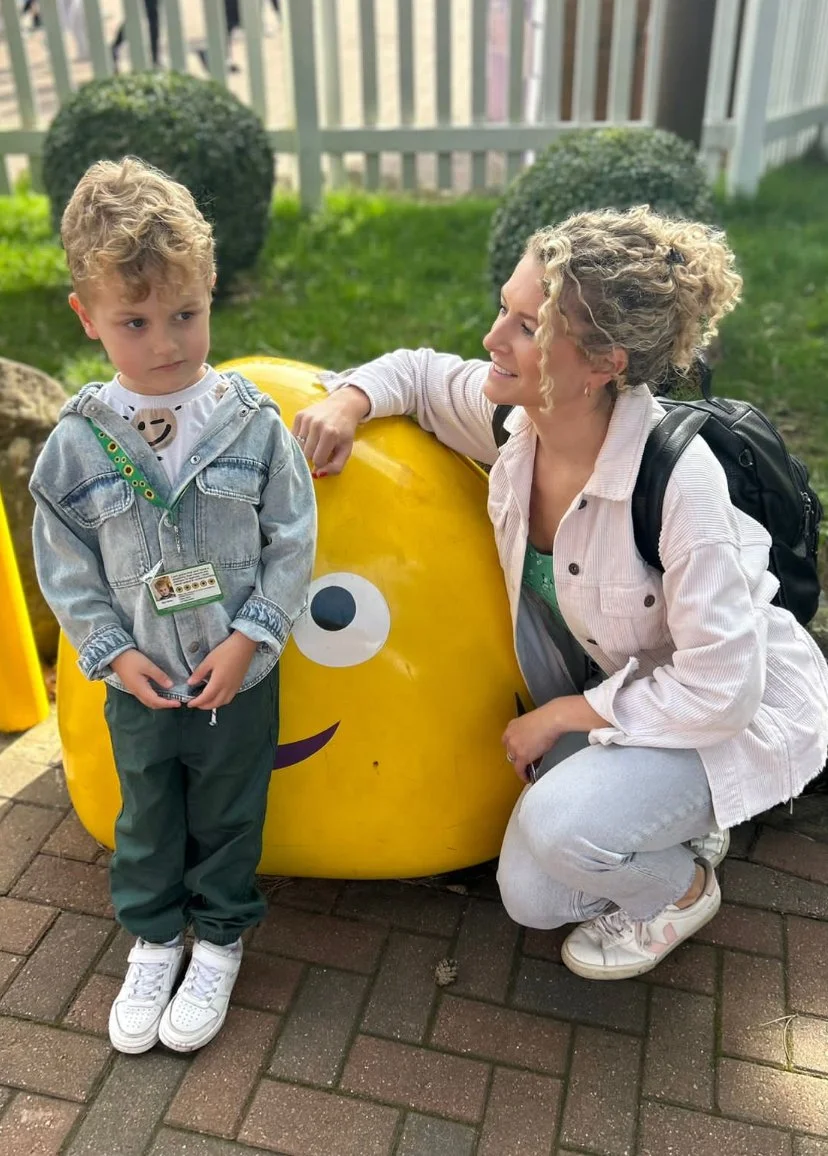
Putting myself in Rui’s shoes; every day he can’t say how he is feeling, tell me if he’s hungry, if he’s in pain, or if he wants to play. I could also see that other children didn’t want to play with him at times. What did they get out of playing with Rui who didn’t understand their games or was not able to speak back to them. It would break my heart and as his Mom I needed to try everything I could to get him heard, be understood, and feel included. I’d already picked some Makaton up from the CBeebies TV programme ‘Something Special’ and enjoyed learning it from that, but now I had a real reason to implement it at home. We hoped it would reduce Rui’s frustrations and regular meltdowns while we wait for the speech to come.
Learning Makaton
To start with, learning Makaton was a daunting task. I put a lot of pressure on us as parents to get it right. I wanted to learn all the signs in a short space of time, but Rui was so little and unsurprisingly not interested in taking note of what I was trying to teach him yet, so then it began to feel like an impossible task and at times, a waste of time.
Keen to stick with it, we took some of the pressure off and focused on five basic Makaton signs (food, drink, milk, more, help), and consistently used them for a year. It wasn’t until Rui was three, he began to show an interest in watching my hands and then one day he just signed ‘milk’ back to me. It was amazing! This was my nonverbal child telling me something that he wanted without crying or pointing for the very first time. I was elated. He’d worked out he can ask for something and someone understands what he is communicating. He is being heard! Soon after ‘milk’, he learnt to sign ‘more’ and then ‘food’. We were making progress.
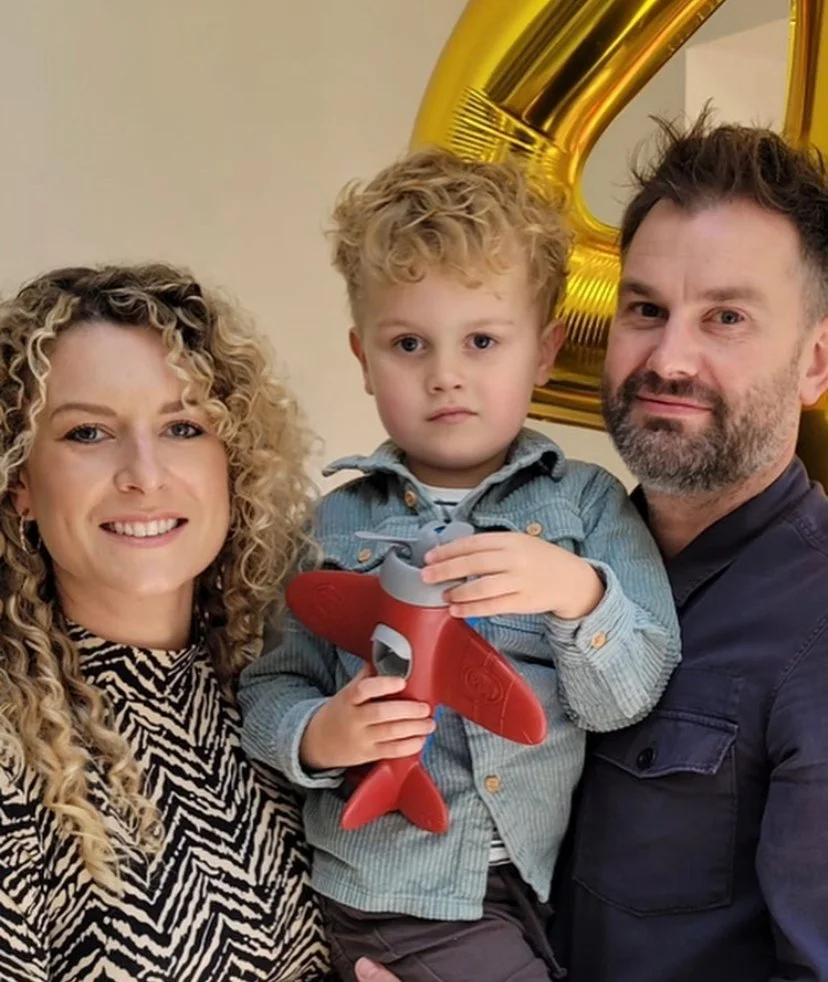
With Rui now showing some interest in Makaton, Nick and I, along with Nanny and Grandad, as well as Rui’s key workers at nursery, signed up to complete a Level 1 and Level 2 Makaton course. It was Tuesday nights for a fair few weeks, but it would be so important for us as a family and potentially Rui’s future. Empowered with the learnings from the course, we gradually implemented more Makaton signs into our day-to-day activities with Rui, and his Makaton vocabulary has been growing ever since. Around Rui’s 4th birthday, Rui signed ‘Mummy’ for the first time. Having never heard him say Mummy, something that I used to long for, it really melted my heart. I love that Makaton has provided us a means to communicate with Rui. It’s helped Rui understand routines, feel understood and ultimately helped him feel included. His temperament has really changed over years too. He is much calmer and he has shown huge developments in his intellectual understanding. It has really blown us away.

Rui is such a happy, playful, and cheeky boy. He can now use Makaton to play games, and joke around with us. His speech development is always going to be a slow journey but he now also has a few words and lots of speech sounds. His intention to speak is so encouraging, and this is all progress. Rui also receives weekly speech and language therapy.
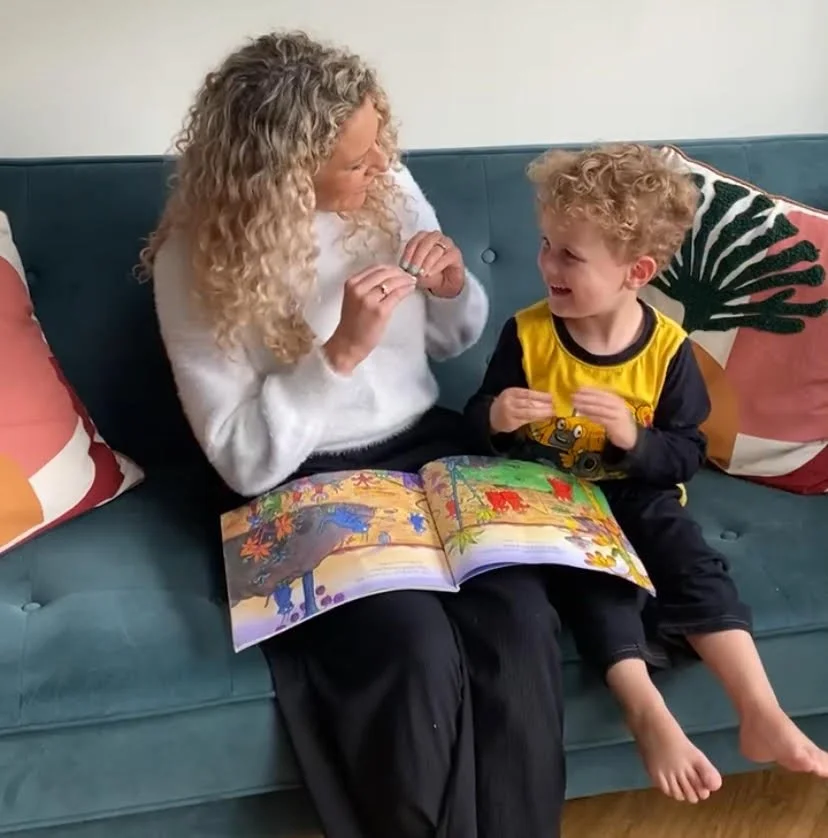
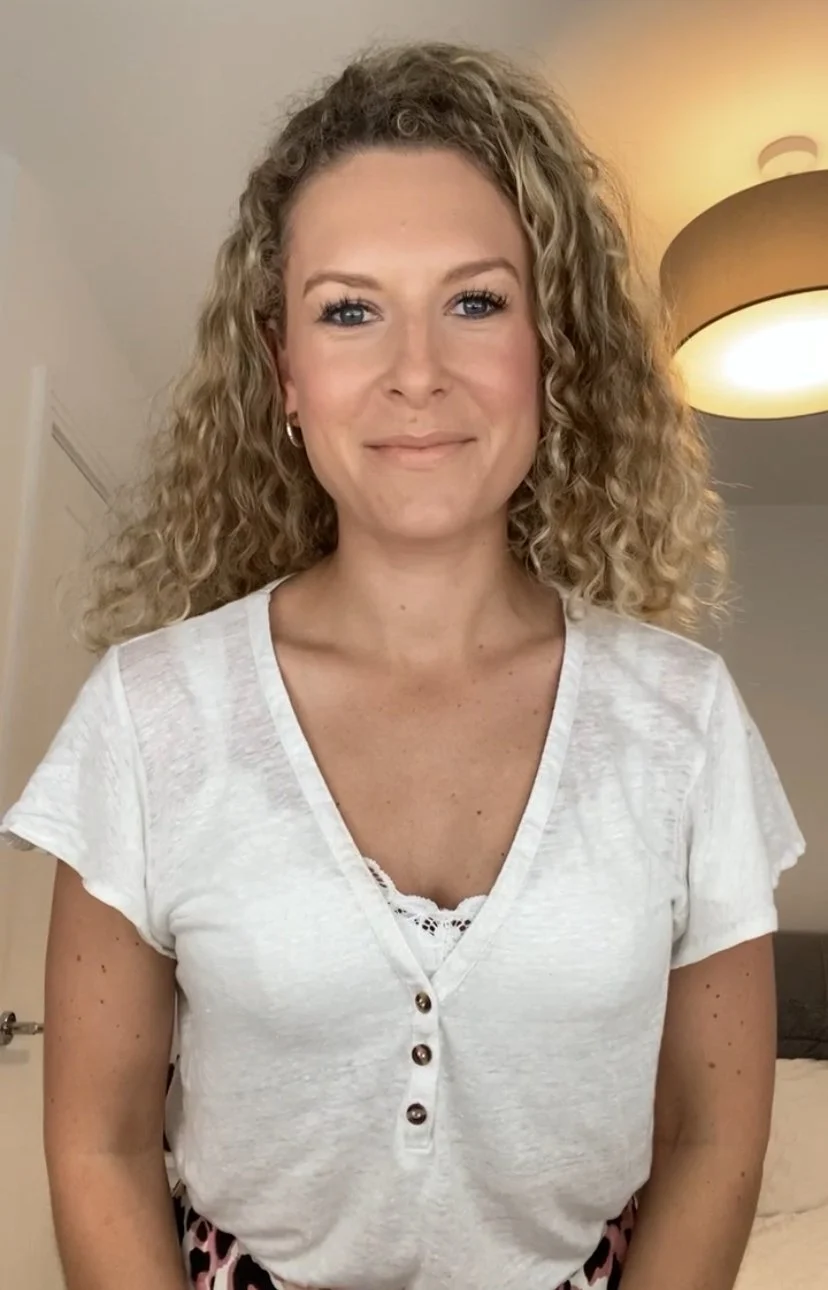
Because Makaton has brought so much joy into our family life, Nick and I started an Instagram account called ‘@Parents_Who_Makaton’ (now @sign_possible), so we could share what we’ve learnt as SEND parents. I enjoyed sharing my Makaton experiences online but I still wanted to do more. I took the plunge, continued with my own training, completing Level 3 and 4, and then in early 2025 began my Makaton Tutor Training. Fast Forward a few months and here I am, a licensed Makaton Tutor, founder of my own company; Sign Possible, and I couldn’t be more excited to get started!
We don’t yet live in a world where everyone understands Makaton, but raising awareness is something I will continue to do to help change this. It’s a joy to help others discover just how powerful inclusive communication can be.
I still hold hope that Rui’s speech will develop into full sentences one day. But the thought of him not progressing further doesn’t weigh on me the way it used to because I’ve seen a growing number of people and businesses embracing inclusion, driving positive change, and recognising communication difficulties as communication differences.
That’s why the Ignacio Estrada quote resonates so strongly with me:
“If a child can’t learn the way we teach, maybe we should teach the way they learn.”
My child doesn’t speak the way most people do, so we’ve found another way to communicate. And it works. #wetalkmakaton